
s
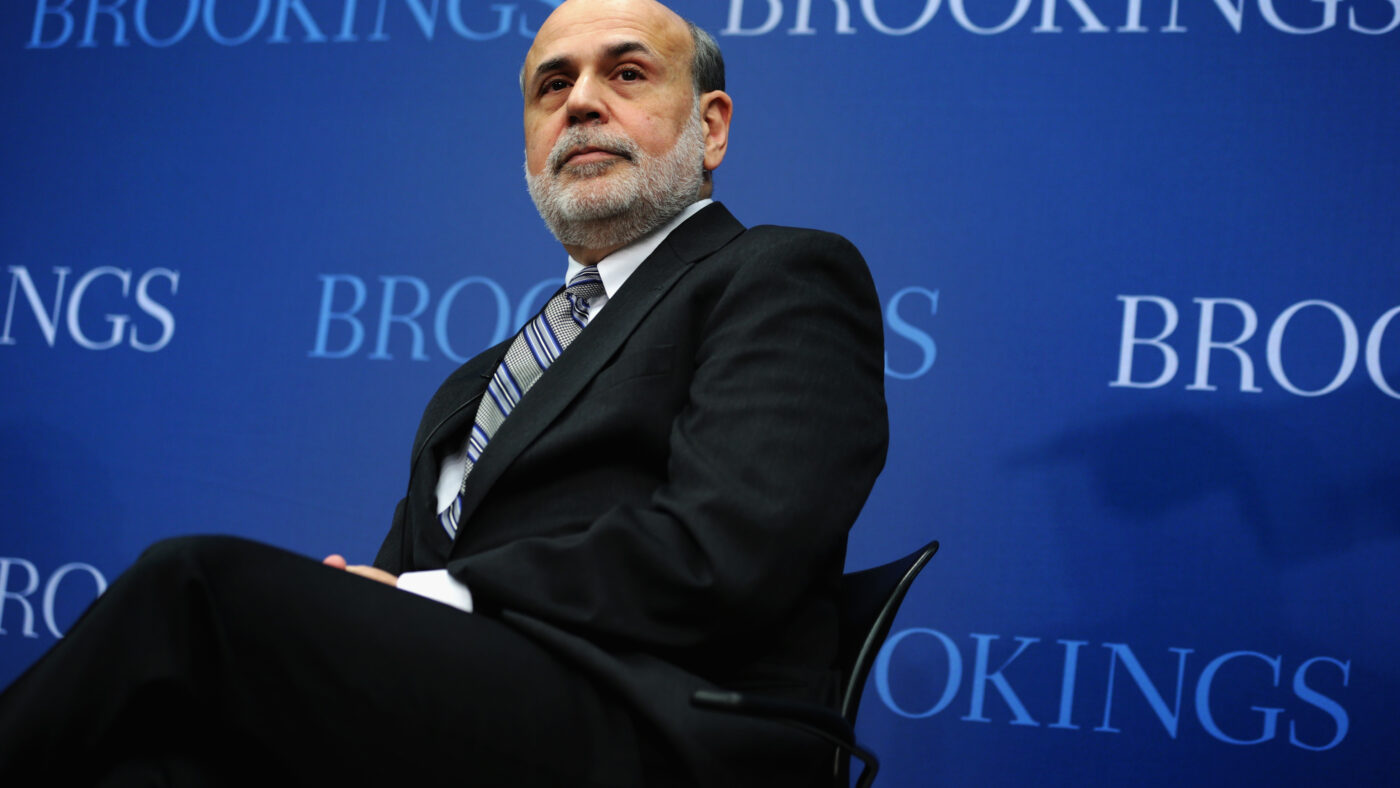
We should all have a vested interest in how successful the Bank of England is in carrying out its objectives. Sadly, the Bank’s track record in recent years has left much to be desired, both in its ability to meet those objectives and its inability to communicate the thinking behind its decisions. Thus, the release today of Dr Ben Bernanke’s review of forecasting at the Bank is of prime importance.
Despite the Bank’s Governor, Andrew Bailey, calling it a ‘once in a generation’ review, the scale of the criticism and of the overhauls Bernanke proposes mean that it should not be seen as the last, or a one-off, but hopefully one in a series of reviews and reflections on the Bank’s performance. Criticism of the Bank has all too often been seen as an attack on its independence and integrity when it is not – and certainly should not be – but rather, in this case, is a challenge to its credibility and competence.
First, there is a damning indictment of how the Bank is run. Bernanke doesn’t pull any punches. The ‘most serious problems’, the review states, are ‘deficiencies of the Bank’s forecasting infrastructure’. Indeed, it is a tad ironic, given how often the Bank highlights the lack of investment in the UK economy, that the review describes a deep lack of investment in its own forecasting infrastructure.
A number of years ago, I highlighted the fact that one could read the Bank’s reports and not see ‘money’ or monetary indicators mentioned. One does not have to be a monetarist to appreciate that monetary and financial indicators need to be part of any policymaking dashboard. They have not been at the Bank. This has been one factor in its many mistakes.
One recommendation outlines steps to take, notably, ‘rich and institutionally realistic representations of the monetary transmission mechanism’. Given that the world’s second largest financial centre is on its doorstep, one might expect the Bank to be better on top of monetary and financial flows and transmission.
The review recommends several other updates that one would have expected to be already included in any basic monetary policy framework: ’empirically based modelling of inflation expectations’, ‘models of wage-price determination’, ‘detailed models of the financial sector, the housing sector, the energy sector, and other key components of the UK economy’ and greater attention to ‘supply-side elements’.
One is tempted to ask what they all do at Threadneedle Street, and whether the Monetary Policy Committee (MPC) is on top of these aspects when they make their policy decisions – as opposed to the blunt guesses at output gaps which often appear to frame their current approach. To be fair, there is much good publicly available research from the Bank’s staff. But perhaps this needs to resonate more with the policy process.
The second element of the review focuses on ways to better deliver a forecasting process that supports the MPC’s decision-making. My reading of the recommendations here is that a fresh approach should be taken at each meeting, given ‘the current bias toward making incremental changes’ and ‘the use of human judgements that paper over problems with the models, may slow recognition of important structural changes in the economy’. In other words, MPC members may need a better understanding of the changing global economic climate and how it impacts the UK.
Another recommendation is a good one: ‘staff should be charged with highlighting significant forecast errors and their sources’. In a nutshell, you should understand why the forecasts may be wrong before you make your next policy decision. Again, one might ask why it was necessary to consult externally to determine something so basic.
Positively, a further recommendation called for the central forecast to be augmented regularly with alternative scenarios. Such a scenario approach could be better used across UK economic forecasting generally, including at the OBR, too.
The third broad focus of the review was on more effective communication. The need for better communication is clear, based on recent years, in which the Bank’s anti-inflation credibility was rightly questioned by the markets, and the general public were shocked by the speed of the cost of living crisis. Castigating workers for daring to ask for pay increases was another resounding comms failure.
But while Bernanke encourages the Bank to better communicate with the market – and it should – one has to ask whether it should also be more on the front foot and guide, rather than being so reactive.
The review also correctly identifies the need to learn from best practice, highlighting better methods used by other central banks. Noting recent communication shortfalls, it calls for the Bank to be ‘exceptionally clear’ when it sees the market’s rate path as being inconsistent with its view.
As expected, the review calls for the elimination of the fan charts that the Bank has used. It was a more open question whether Bernanke would recommend that individual MPC members outline their own forecasts, as is the case at the US Federal Reserve. In the event, he has kicked this can down the road, ‘leaving decisions on this issue to future deliberations’. For what it’s worth, I think that they should go down that route – and would feel vindicated if they did, as I called for it back in 1997 after independence was granted.
The final recommendation is for a phased introduction of the changes. That is understandable. But it should also be the case that this is the start of a process to improve monetary policy – and ultimately economic policymaking decisions in the UK.
When it comes to the Bank, it is about policies, processes, plus personalities. Improving the processes is a necessary, but not sufficient condition to ensure a good outcome. In other words, addressing the issues raised in the Bernanke review will help, but not guarantee that all works well in the future.
In particular, a focus on the infrastructure of the Bank should not divert attention from its poor policy judgements. Indeed, given the fundamental problems that Bernanke has highlighted, a major overhaul may be necessary.
